1. Clean and Conscious Beauty
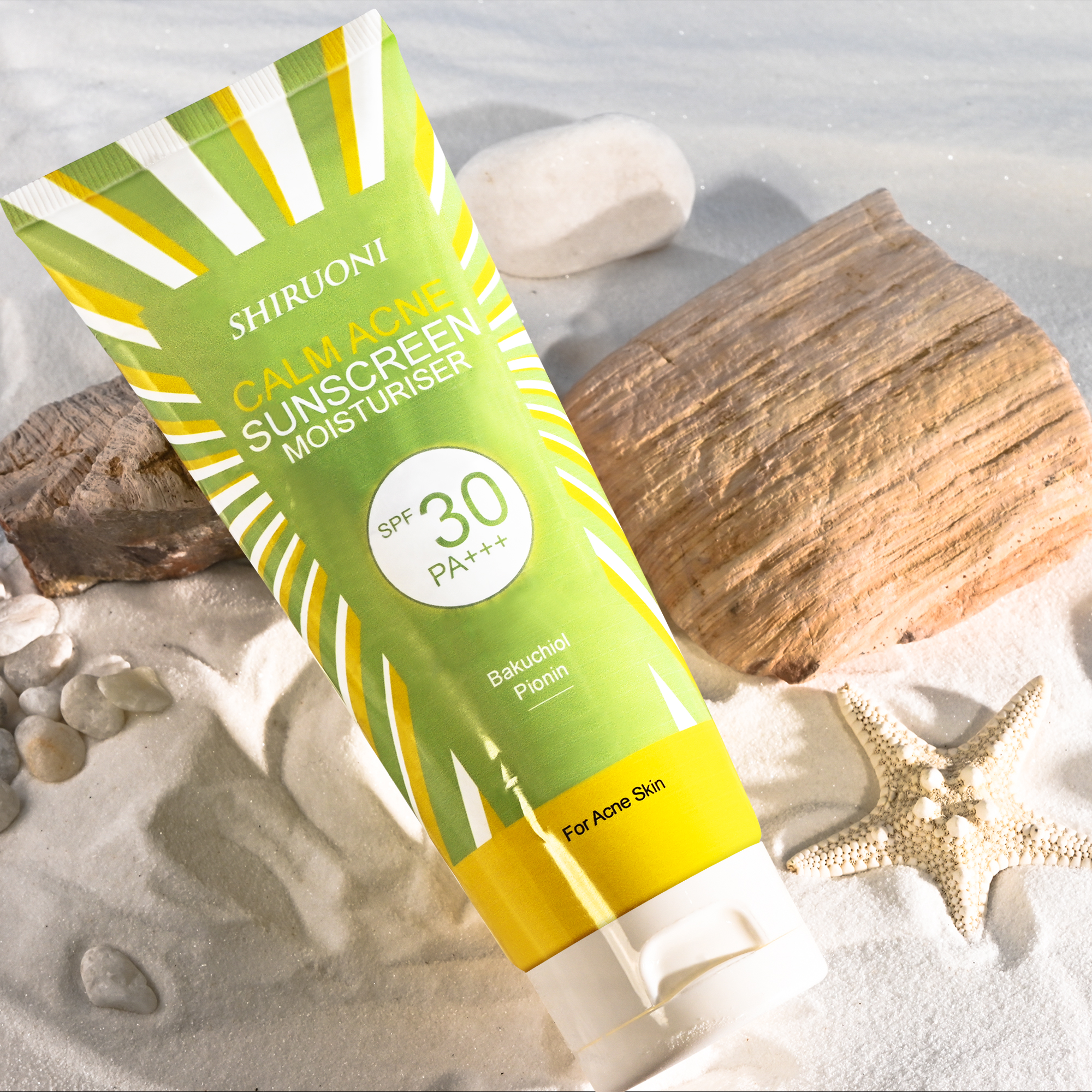
Clean beauty is no longer a trend but an expectation. Consumers are scrutinizing ingredient lists and seeking transparency from brands. In 2025, this will extend to sustainable packaging, cruelty-free certifications, and eco-friendly production processes. Ingredients like bakuchiol, plant-based retinol alternatives, and microbiome-friendly formulations will dominate.
Sustainability and ingredient transparency will be essential for brand loyalty, especially among Gen Z and Millennials.
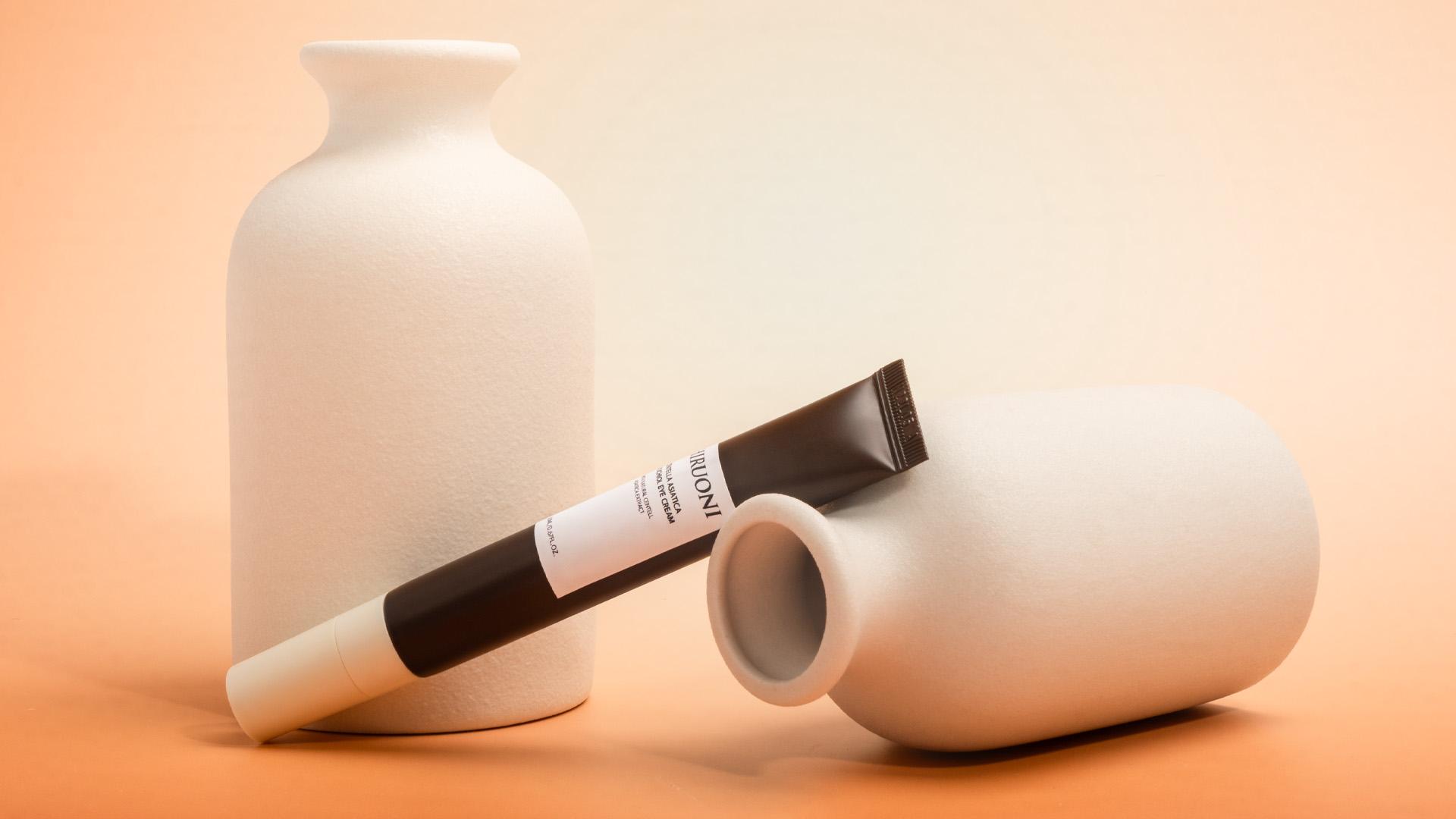
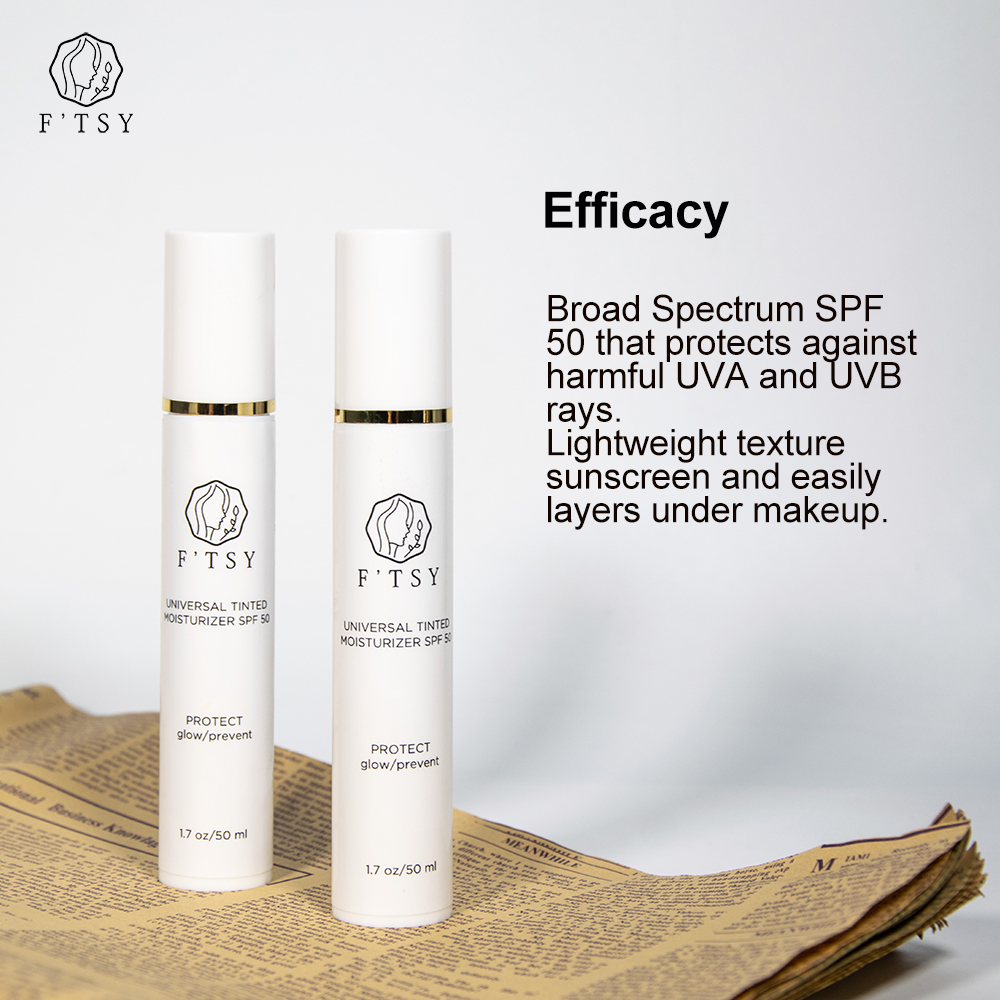
The "less is more" philosophy of skinimalism—focusing on fewer, high-quality products—continues to resonate with consumers. Multifunctional products, such as tinted moisturizers with SPF, serums that combine anti-aging and hydration, and masks that double as exfoliators, are expected to see significant growth.
Brands should focus on creating versatile products that simplify skincare routines without compromising results.
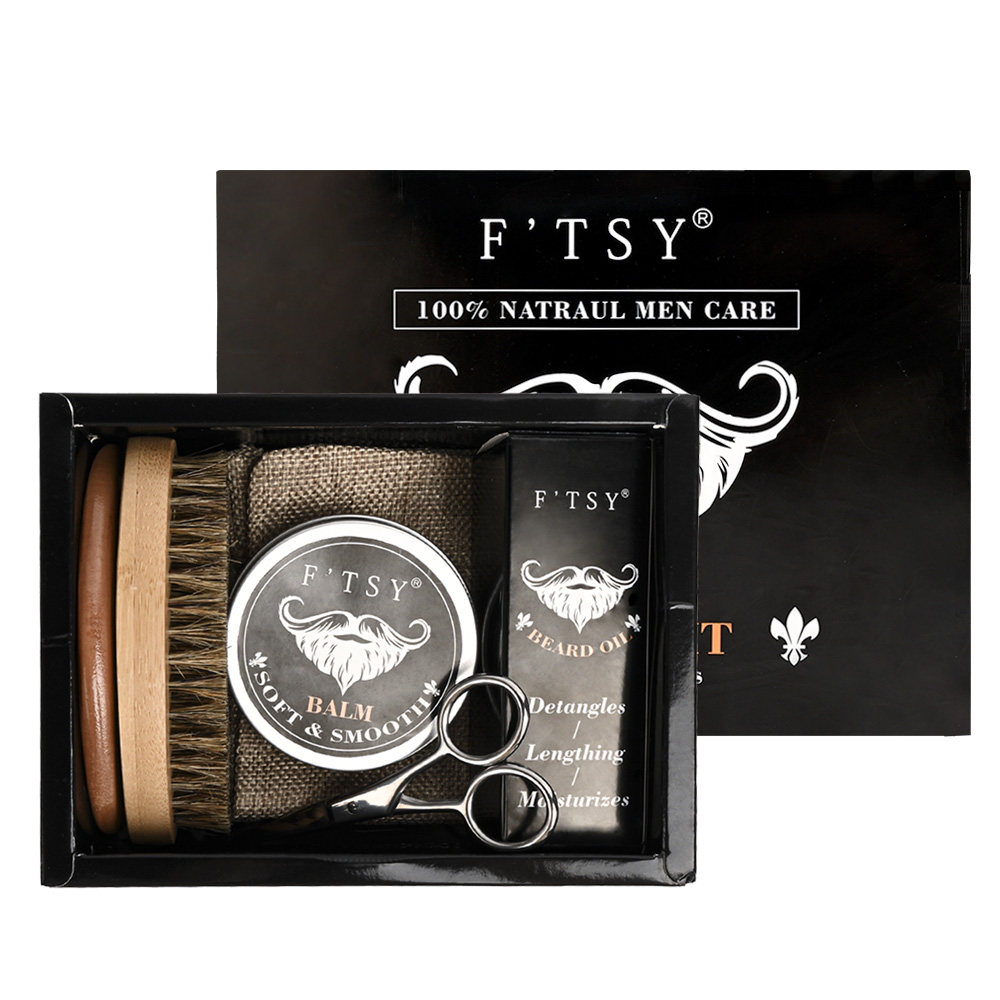
The men’s skincare segment is on an upward trajectory, driven by increasing awareness and the normalization of self-care. By 2025, we expect to see more targeted product lines addressing men’s unique skincare needs, including anti-aging, hydration, and post-shaving care.
Brands that diversify their product offerings to include men’s skincare will tap into a growing and underserved market.
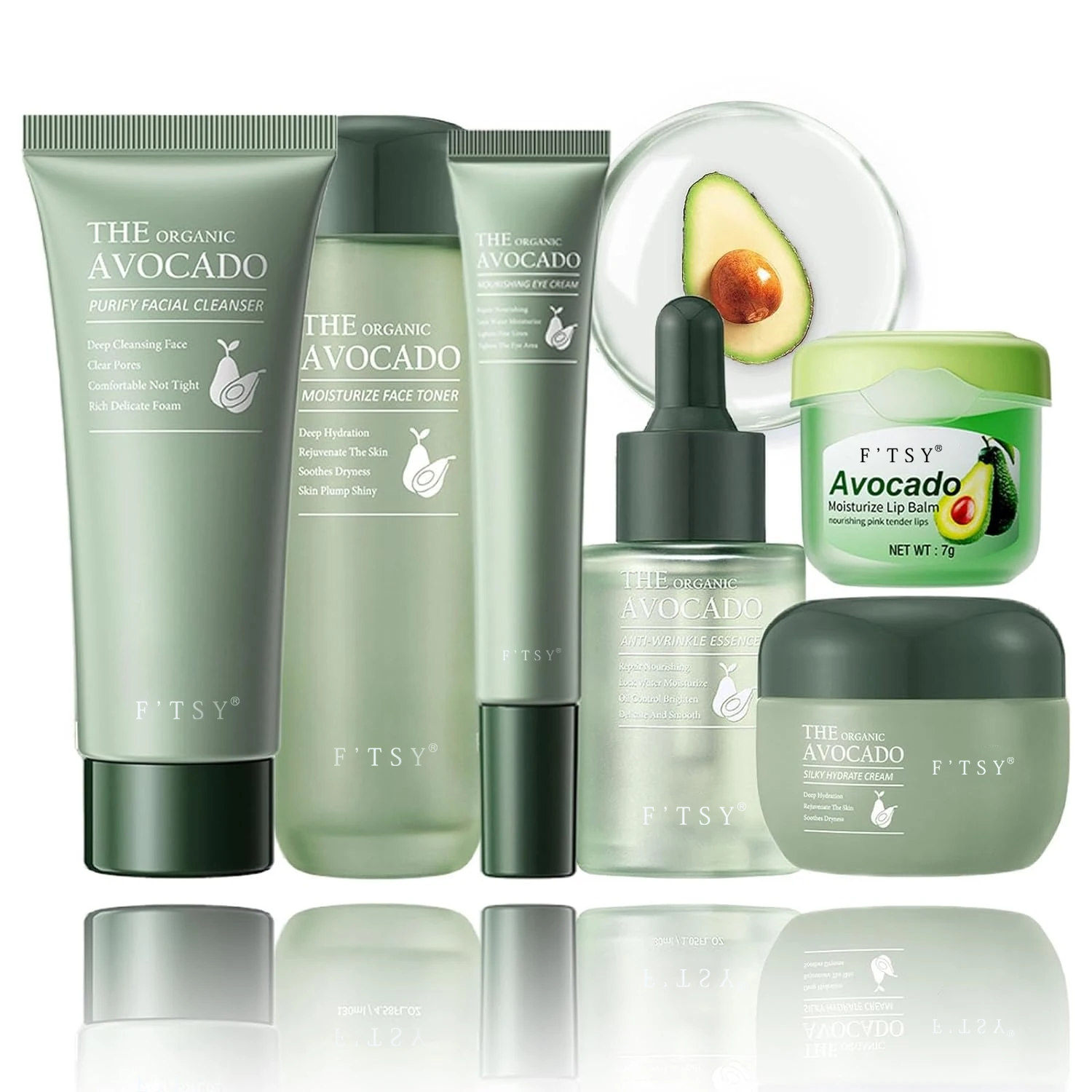
Consumers are seeking visible results, leading to the rise of medical-grade skincare. Products with clinically proven efficacy, such as prescription-strength retinoids, peptides, and niacinamide formulations, will see increased demand. This trend is further supported by the growing popularity of dermo-cosmetics—bridging the gap between skincare and dermatology.
Offering science-backed formulations with proven results will appeal to savvy consumers.
As inclusivity becomes a priority, brands are developing products that cater to all skin tones, types, and concerns. From addressing hyperpigmentation to creating SPF that works for darker skin tones, inclusivity is no longer optional but essential.
Diverse product lines that cater to underrepresented demographics will drive loyalty and market differentiation.
The European and U.S. skincare markets in 2025 will be defined by personalization, sustainability, and innovation. To stay competitive, brands must remain agile, embracing new technologies and meeting the demands of increasingly informed and eco-conscious consumers. Whether it’s through clean formulations, multifunctional products, or tech-driven solutions, the key to success lies in creating value while fostering trust and transparency.


